New Report Identifies Opportunities for Transit-Oriented Communities in Lower Fairfield County
A new report from the Regional Plan Association identified 19 areas around the state (including 6 in southwest Connecticut) as "near-term opportunities" to add transit-oriented development.
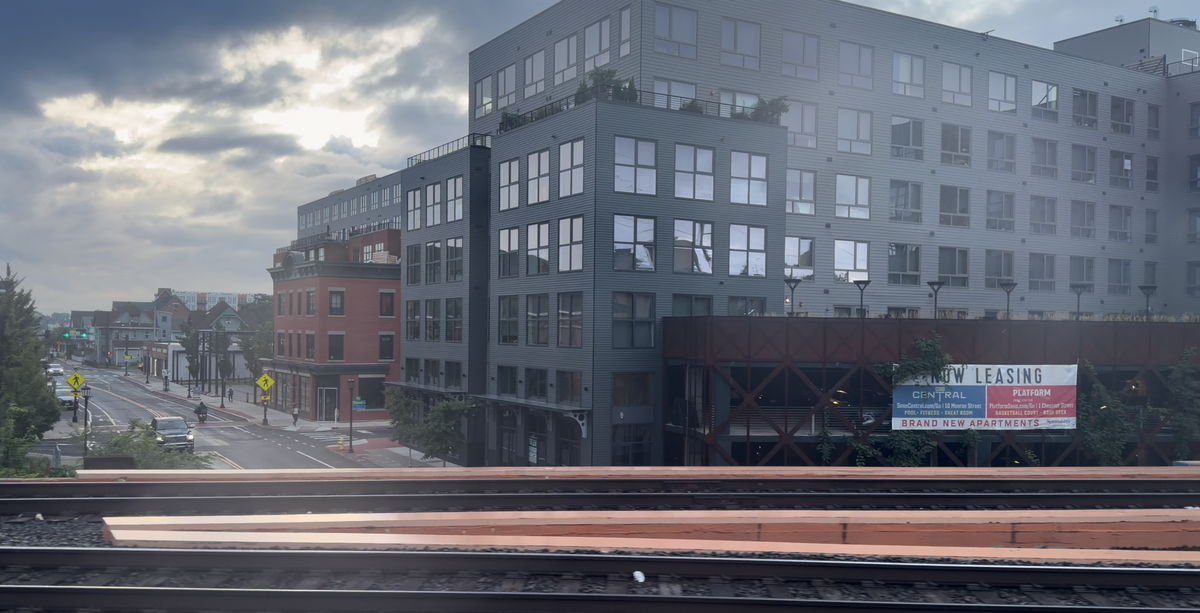
Six train stations in our region were identified as “near-term” opportunities to create transit-oriented communities as Connecticut continues to develop new strategies to address its housing challenges.
Stamford, Noroton Heights (in Darien), Darien, South Norwalk, East Norwalk, and Fairfield–Black Rock were identified as station areas “where existing transit and infrastructure can generally support additional development and underutilized land offers potential for infill [developments],” according to a new report.
Across the state, 19 station areas were identified as “near-term opportunities,” with 21 more labeled as “mid-term opportunities,” to add transit-oriented development. The report, titled “Homes on Track: Connecticut—Part Two: Building Thriving Communities Around Transit,” comes from the Regional Plan Association, a nonprofit organization that conducts research, planning, and advocacy around housing, transit, and economic opportunities.
“Building more homes around our existing transportation infrastructure is one of the most effective ways to improve affordability while strengthening downtowns, expanding access to opportunity, and reducing the fiscal and environmental costs of sprawl,” Tom Wright, president and CEO of Regional Plan Association said in a statement. “Connecticut now has important new tools to advance that vision, and this analysis can help ensure that public investment is strategic and focused where it can unlock lasting benefits.”
Let’s explore some of the report’s findings and what they mean for our area. But first let’s quickly define what transit-oriented development and communities are.
@coastalconnecticuttimes A new report from the @Regional Plan Association highlights opportunities for transit-oriented development around train and bus stations in Connecticut. See what it could mean for our region as the state looks to transit-oriented development as a way to address its housing challenges. We’ll have more in our newsletter on Monday. Sign up now at the link in our bio. #fairfieldcounty #connecticut #transitorienteddevelopment #stamfordct #norwalkct
♬ original sound - Coastal Connecticut Times
What is transit-oriented development?
Transit-oriented development (TOD) is housing that’s clustered around public transportation, which in our region is usually a MetroNorth train station. Many communities, particularly Norwalk and Stamford, have been supporting this kind of development. The state recently passed a large housing bill, which aims to employ different strategies to address a shortage of housing units across Connecticut. Many of the provisions in the bill call for supporting transit-oriented development and there are rewards for doing so—like priority for state funding for other projects.
The goal of TOD is to put housing in areas that allow people to access their jobs, shops, stores, etc without needing a car for all of those trips. The report takes TOD a step further and analyzes “transit-oriented communities,” basically multiple developments that work together around a station to provide housing, access to transit, and more.
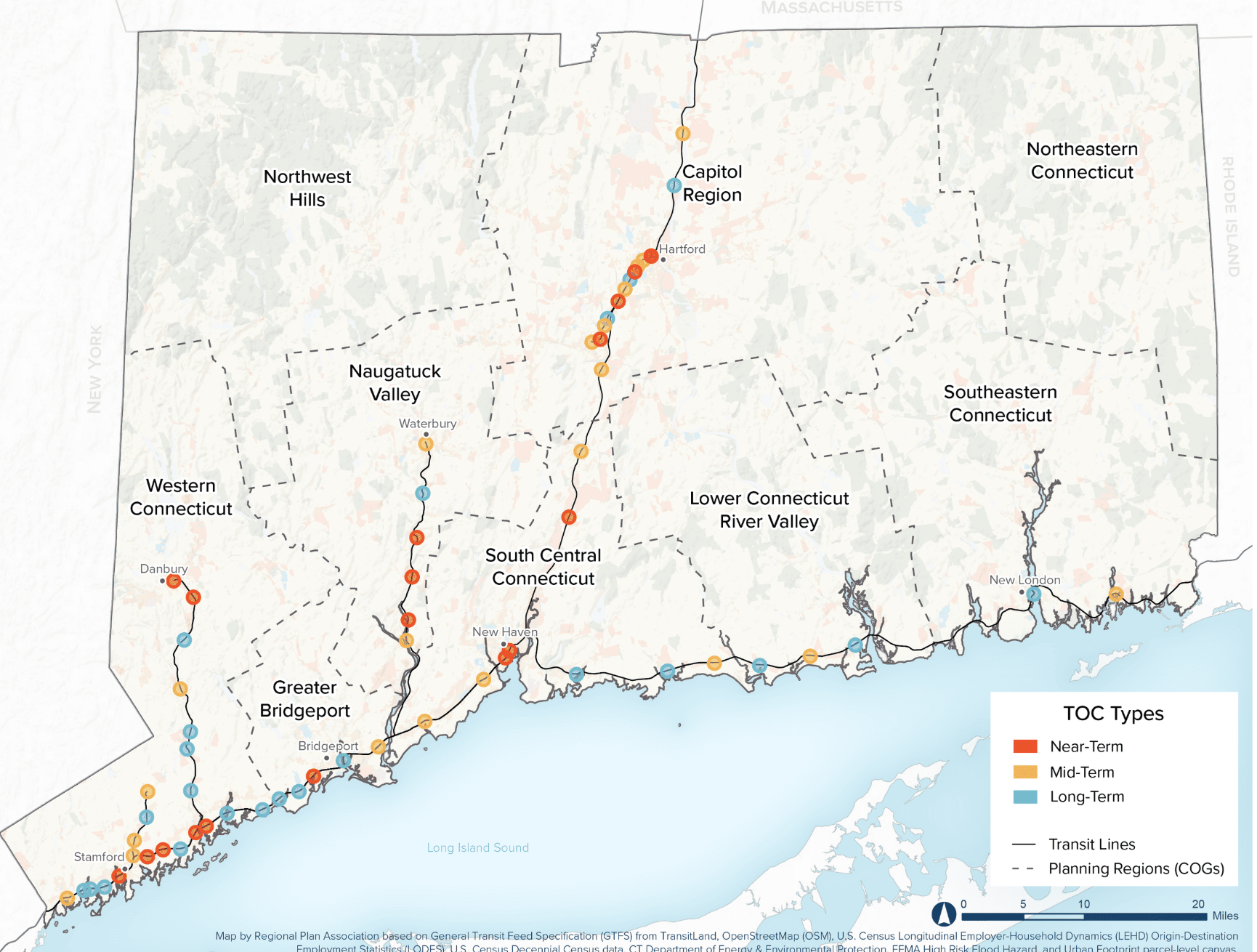
Opportunities for transit-oriented communities in Lower Fairfield County
The report analyzed 63 stations—both train and rapid bus—across the state. The report classified 19 of them as “near-term opportunities” because they have good transit service and access to stations, are located primarily in Connecticut’s downtowns and regional job centers, and have “underutilized land, presenting infill opportunities.”
These include: Stamford. Noroton Heights, Darien, South Norwalk, East Norwalk, and Fairfield–Black Rock. In particular, Darien and Fairfield–Black Rock are also on the state's list for “priority TOD sites.”
The Connecticut Department of Transportation said that it is working to advance “a bold, statewide vision for Transit-Oriented Development” to create “walkable, connected communities,” as it has “numerous state‑owned parcels located next to rail and bus rapid transit” sites.
“CTDOT is uniquely positioned to collaborate with local partners and the private sector to create vibrant, transit‑served neighborhoods,” the department said in a statement.
In June, the department reported that six stations around the state including Darien and Fairfield Black Rock, were going to be studied further for TOD and steps would be taken to start preliminary work on these sites. For example, in Darien, the next steps include a civil engineering plan for the site and a conceptual reuse plan with the town.
Meanwhile the RPA report found that these “short-term” areas could “benefit from proactive measures,” such as zoning changes or infrastructure investments, “to prime development activity and encourage walkable neighborhoods.”
The next group of station areas—21 around the state—were classified as “mid-term opportunities,” where the report found that “targeted improvements to transit, infrastructure, public spaces, and local land-use regulations could unlock greater development potential.” The report said most of these “could be described as auto-oriented downtowns and village centers.”
Our area had four mid-term sites: Greenwich, Glenbrook (in Stamford), Springdale (in Stamford), and Bridgeport.
And the last batch were “long-term opportunities,” which the report said could be “described as auto-oriented commercial nodes, rural branch-line stops, or park-and-ride stations.” These station areas often have “significant amounts of underutilized land,” but lack the infrastructure needed to support more development.
Lower Fairfield County had nine long-term areas: Cos Cob, Riverside, Old Greenwich, Rowayton, Merritt 7, Westport, Greens Farms, Southport, and Fairfield. Out of these, plans had been discussed to turn Merritt 7 into a “transit-oriented village hub,” but the plans have been stalled over a disagreement between the developer and Norwalk’s Planning and Zoning Commission.
Officials said the report divided the stations like this because “different station areas will require different strategies.”
But what does this all mean for the region?
The report follows the passage of Public Act 25-1 (commonly referred to as HB 8002), which is a landmark housing bill that aims to tackle some of the housing issues facing the state. The bill has many provisions including requiring municipalities to create housing growth plans, reducing off-street parking requirements, and offering incentive programs to encourage communities to build more housing, CT Mirror reported.
For example, if communities take steps to add housing near train or bus stations, they’ll be able to access a new state fund and can get more state reimbursement for their school construction programs, CT Mirror reported.
Across the region, communities are currently working to implement some of these requirements. Officials say the report can be used as a tool to help guide their efforts.
“This report shows where we can make progress today, where targeted investments can unlock opportunities tomorrow, and how the state can direct limited public resources where they will have the greatest impact,” Pete Harrison, Connecticut director at Regional Plan Association, said in a statement.
Almost all of the stations listed in our region as “near-term opportunities” have either active TOD construction projects ongoing or recently completed ones. You can explore more about each of these areas below:
- Stamford
- Noroton Heights
- Darien
- South Norwalk
- East Norwalk
- Fairfield Black Rock (previously Fairfield Metro)