All Aboard: In and Around the Bridgeport Station
Explore the area in and around the Bridgeport station as a part of our All Aboard series.
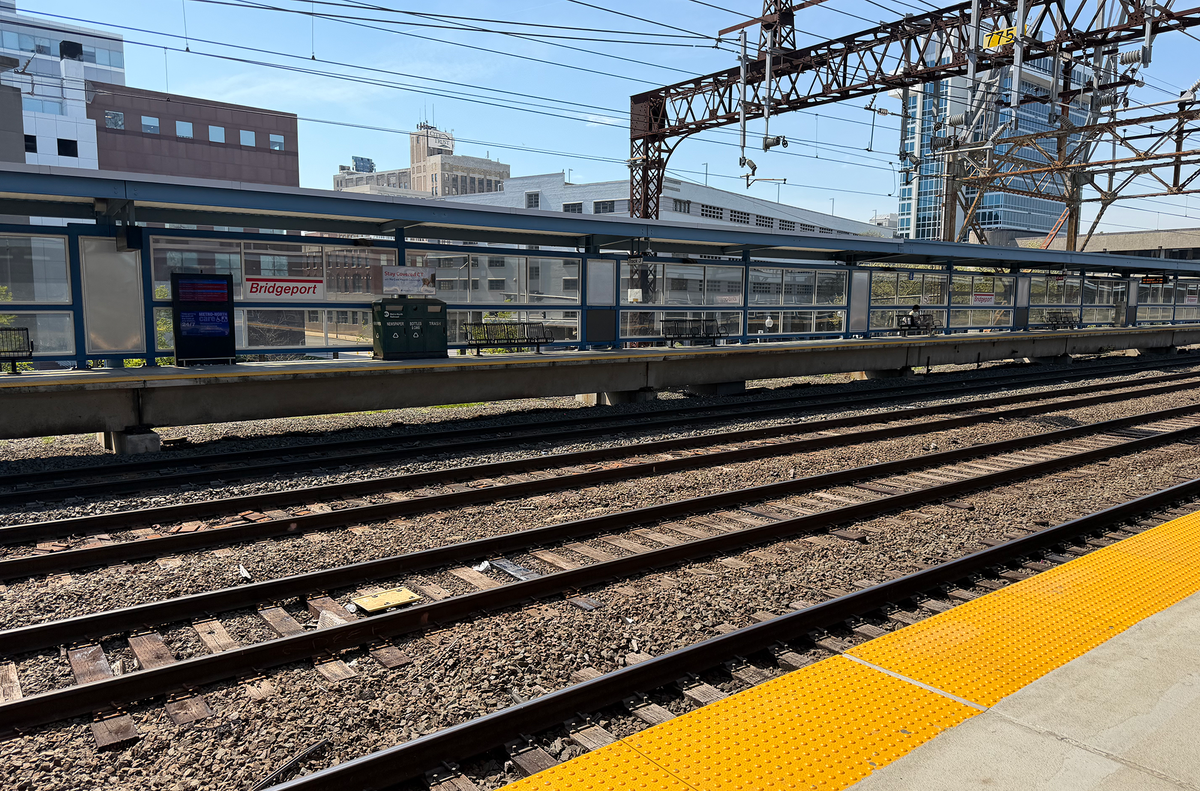
A transit-oriented regional hub. That’s the vision laid out for the Bridgeport Train Station and area around it in Plan Bridgeport, the city’s 10-year master plan.
“One of Bridgeport’s greatest assets is its accessibility through many forms of transit, including interstate and state highways, heavily utilized railways, regional bus facilities, a regional airport and a ferry service connecting to Long Island,” the plan states.
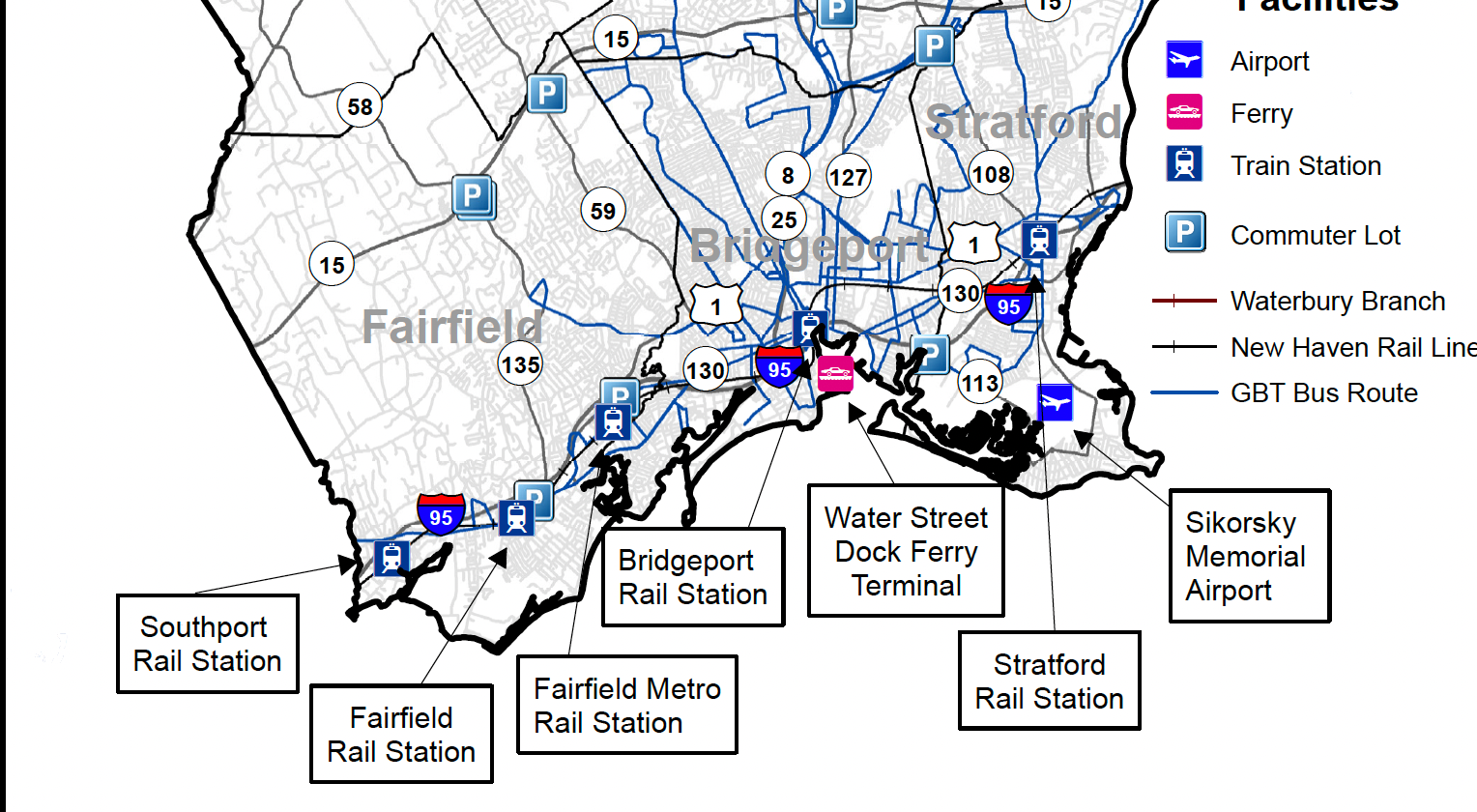
And all of those converge around the train station. The station itself is located along Metro North’s New Haven line, connects to the Waterbury branch line, and is an Amtrak stop. Reports estimate that more than 10,000 transit riders from all of the different modes pass through the station each day. In addition, the station is a major hub for the Greater Bridgeport Transit bus service and the Port Jefferson Ferry.
The station is also bordered by the Bridgeport Harbor and is just a few blocks from the city’s downtown.
While no sites located right next to the station are being developed (such as the ones under construction in South Norwalk), the surrounding half mile radius or so has multiple projects in the works that could transform the area into “a transit-oriented hub for commercial, retail, and entertainment activity to supplement a growing high-density residential neighborhood.”
Let’s explore the station area and look inside some of the projects currently in the works.
@coastalconnecticuttimes The Bridgeport train station area is home to many modes of transportation—rail, buses, and even ferries. And it’s also featured in many city plans as Bridgeport aims to add more transit-oriented development to the area. We’ve got more in our newsletter coming out on Monday. You can sign up at the link in our bio. #fairfieldcounty #connecticut #bridgeportct
♬ original sound - Coastal Connecticut Times
An Interconnected Complex
The complex is home to six different mode of transportation all converging in and around the station—bus, regional commuter rail, Amtrak rail service, ferry, water taxi, and cars.
All the different modes help connect the largest city in Connecticut to places like New York (through Metro North), Boston (via Amtrak), Long Island (on the ferry), and Waterbury (through the Metro North branch line). The city’s master plan calls for embracing “Bridgeport’s role as the regional transportation hub,” and supporting infrastructure investments to make this possible.
In addition, the city said it aims to “promote access to bus, ferry, and commuter rail and preserve easy, convenient, and seamless transitions between transit modes.”
The train station itself, which was built in the early 1970s, underwent a $10 million upgrade in 2017, which added real-time electronic signage of arrivals and departures, extended canopies, better lighting, and a resurfaced platform.
It also connects to the Greater Bridgeport Transit bus stations, allowing passengers to get from one mode of transportation to the other via pedestrian bridges.
Just a few steps from the train station, is the ferry that runs between Bridgeport and Port Jefferson in Long Island. But over the past decade or so, the city has been working with the state and federal to explore high speed ferry options that could link the city to Stamford and New York City via the Sound.
According to the 2019-2045 Metropolitan Transportation Plan, which is a “25-year vision for transportation system investments” in the Greater Bridgeport region, noted that the “Bridgeport Port Authority has been advancing discussions on planning for and developing a high-speed ferry service that would operate between Bridgeport, Stamford, and New York City.”
The transportation plan noted that the goal of state project 15-312 is to “construct a new high-speed ferry terminal on a portion of the existing Water St. Dock” and also “address several deficiencies at the existing dock.” The plan aims to connect the rail station with the ferry station through an ADA compliant walkway. There is currently work being done on the roadway and connectors at this time.
Ideally the plan states that “the new dock will be multi-use with the capacity to serve high speed ferries and vessels up to and including those operated by the Bridgeport and Port Jefferson Steamboat Company.”
A New Era for Bridgeport
With all of those transportation options, city and state officials have called for more development near the station, known as transit oriented development (TOD). The main premise behind TOD is that focusing higher density housing and mixed-use projects near transit centers will help create walkable cities, provide a variety of housing options to people, and get more people out of their cars and onto public transit.
“It is important that housing near transit be affordable at all income levels, so that the cost savings of transit ridership can be enjoyed by those who need it the most,” the city’s master plan reads.
Plan Bridgeport states that the city should “rezone the areas around transit to increase the allowable density, making it easier to build housing and jobs that can be easily accessed without the need for a car.” It set a goal of developing more than 4,000 housing units within a half-mile of the station by 2029.
As we’ve previously covered, some of those units are currently under construction across the water from the station at Steelpointe Harbor.
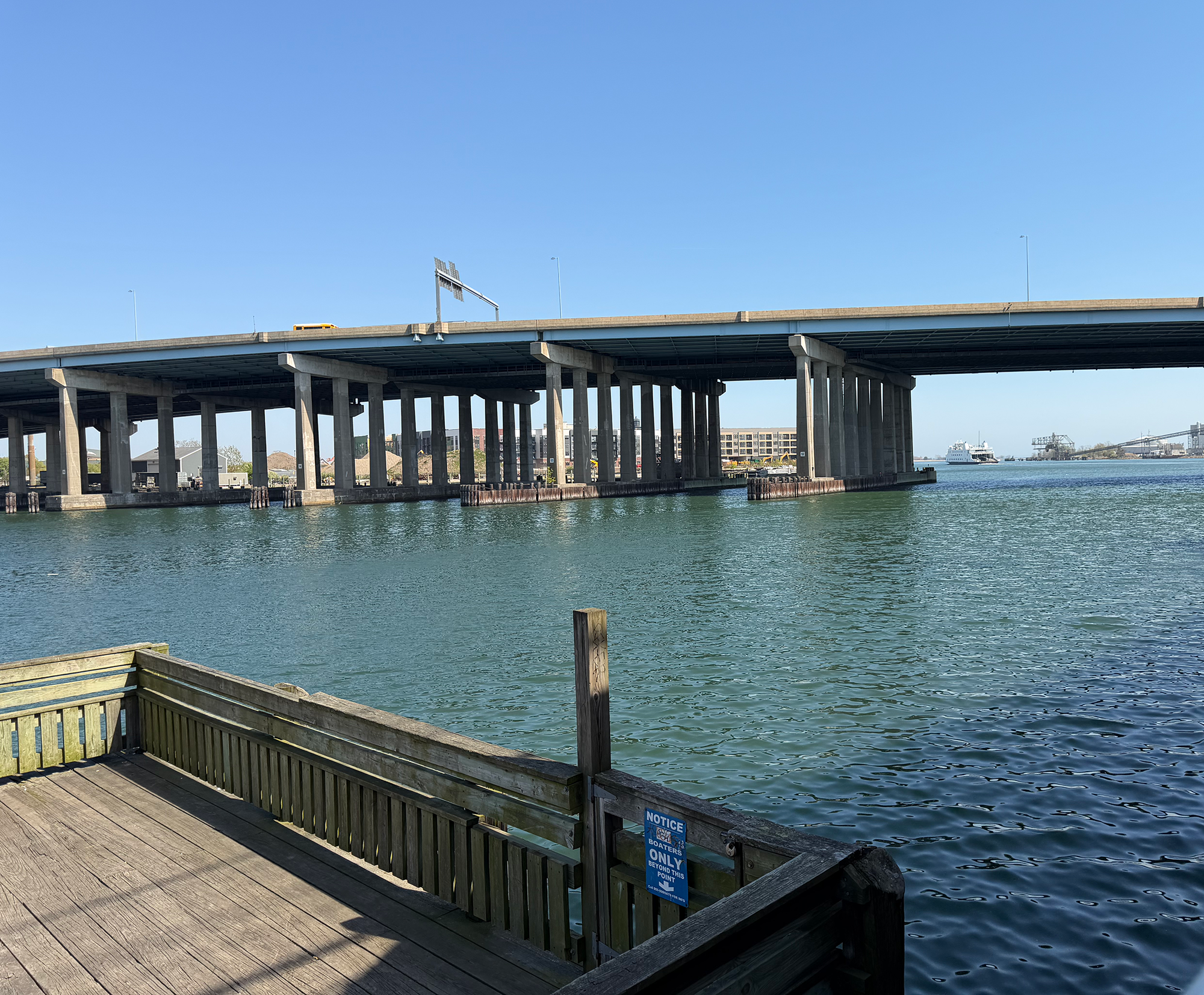
Situated along the Bridgeport Harbor, the 52-acre site is proposed to have 1,500 residential units, 200,000 square feet of commercial and office space, and a hotel. So far, the site is home to Bass Pro Shops, T-Mobile, Chipotle, Starbucks, and Boca Oyster Bar.
The developers broke ground at the site in 2024 on The August, a 420-unit mixed use project, which will bring “high quality apartment units” and “state of the art amenities” to the site. The units are projected to open in June. Officials said the project, which was on a site that previously was home to a number of industrial uses including a powerplant before it was remediated, will enhance not just the city, but the state.
“Right now, the sun is shining on Bridgeport, a lot of people want to be here,” Governor Ned Lamont said in a statement. “The development here at Steelpointe Harbor is really coming together in a way that makes sense for this city and this state … This is a transformative moment.”
In addition, a few blocks south of the train station, work is just getting started to transform 33 acres, which include an old coal-fired plant and the iconic red-and-white smoke stack, visible from miles away. In 2022, Lamont and his administration announced an agreement transferring ownership of the decommissioned power plant to Bridgeport Station Development, a private developer. As a part of the agreement, the developer will demolish and remediate the old power plant and surrounding area. The developer received $22.5 million from the state for the demolition and remediation of the contaminated plant.
“This transformational project in Bridgeport demonstrates how our investments are leveraging significant private sector investments and unlocking new growth opportunities,” Lamont said in a statement. “These efforts help to enhance community vibrancy, clean up the environment, increase our housing supply, and create jobs.”
In November 2024, a draft of the study shared some preliminary redevelopment opportunities for the site which included everything from a traditional mixed-use development that “integrates residential living with green spaces and services” to a recreation destination, which would include “state-of-the-art indoor recreation facilities, a vibrant commercial component, and hospitality and service offerings.”
The city has already seen some of the benefits of the ongoing redevelopment efforts taking place. This year’s $655 million budget actually lowered the mill rate from 43.45 to 27.75 due to 62.5% growth on the city’s grand list.