No More Cubicles: A Look at How Office Parks Are Becoming Housing
Across southwest Connecticut, office parks are being torn down in favor of residential housing.
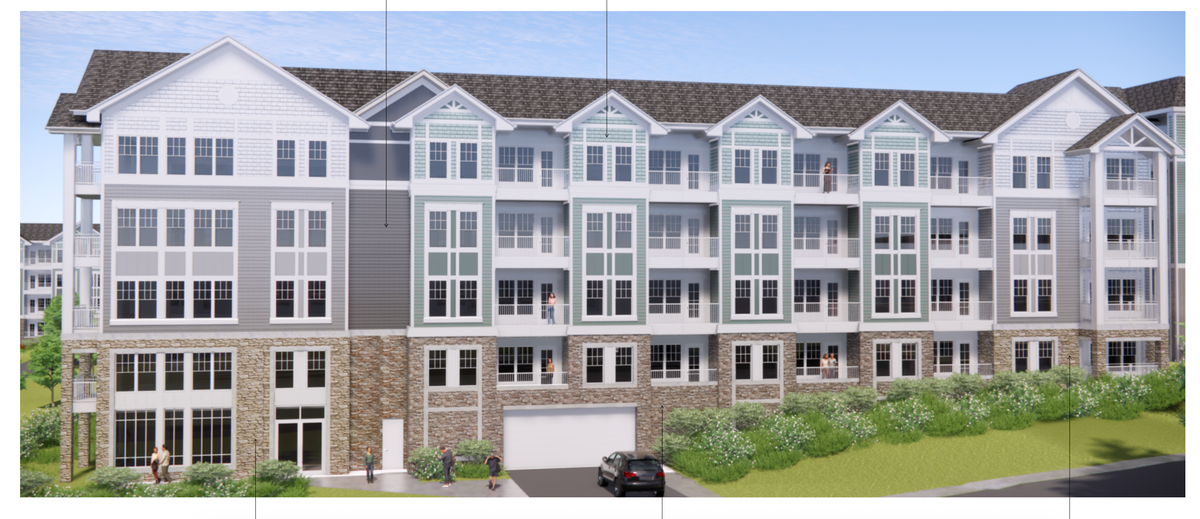
Across southwest Connecticut, former offices are becoming housing, as the need for commercial space dwindles, while the housing market remains tight. Some buildings are literally being converted from offices to housing, while other new projects are being developed on sites that were formerly office parks.
Office parks that were established in the 1970s and 1980s provided “a park-like setting for corporate headquarters” looking to move out of the major cities, Stamford officials noted. But now “five decades from their conception, office parks now have a high vacancy rate due to several factors including obsolescence of the office buildings, relocation and downsizing of several corporations and an overall shift away from campus like offices towards more urban offices in downtown areas.”
Here’s a look at a few projects that are transforming former office parks across the region.
Stamford: 800 and 900 Long Ridge Road
More than 700 units are underway at two former office parks, following years of debate, review, and some legal challenges. At 800 Long Ridge Road, 354 units are planned for the former Xerox site and about 10,000 square feet of commercial space. The plans also call for 35 of those units to be affordable.
The project is replacing about 300,000 square feet of office space that was at the site previously. Xerox occupied the site from 1975 until 2007 and then General Electric used the site for its Capital Energy Financial division until 2023.
“The office vacancy in this building reflects the general trend of a decline in office occupancy in
Stamford and the region,” a staff memo about the project states. “This decline in office occupancy is especially acute in suburban office parks given new office tenants prefer buildings which are close to downtown and the transportation center.”
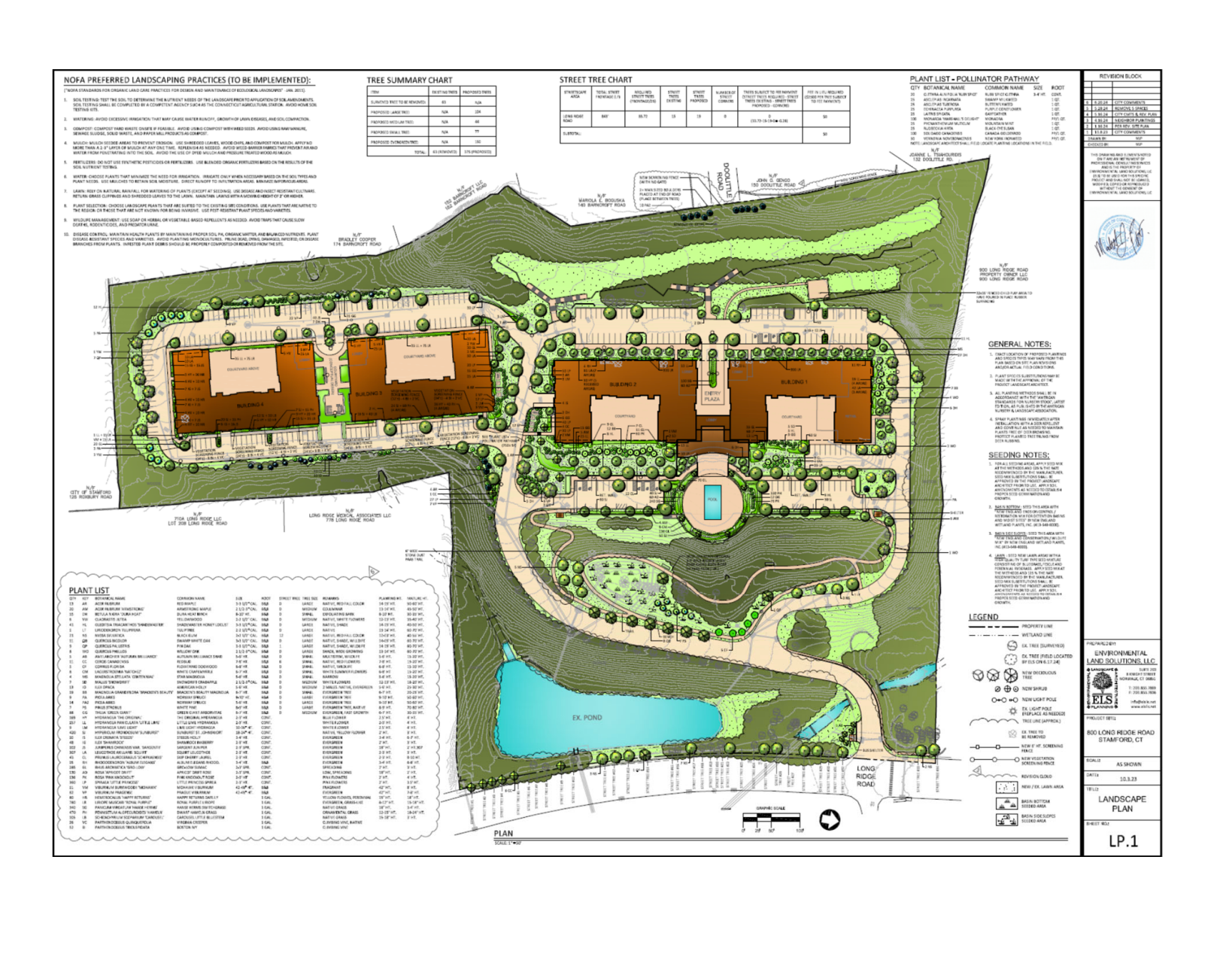
Next door, 463 units were approved for 900 Long Ridge Road, which previously was home to two corporate office buildings. The plans also call for 5,000 square feet of supportive commercial space, including co-working, a café, and a convenience mart.
Initially, more than 500 units were proposed for this project, but the Zoning Board ultimately vetoed that proposal. After appealing the decision, the applicant and city ultimately settled. The agreement lowered the number of units and reduced the commercial space from 20,000 to 5,000. In addition, the project is required to have more 3-bedroom affordable units.
“I think this settlement is good for the city,” Zoning Board Chair David Stein said. “It particularly provides large affordable units, which is something we badly need…they have a much improved design and they’re smaller.”
Still, despite the approvals, these generated complaints from dozens of residents, citing a detrimental impact on the city’s infrastructure and traffic concerns.
Darien: 3 Parklands Drive
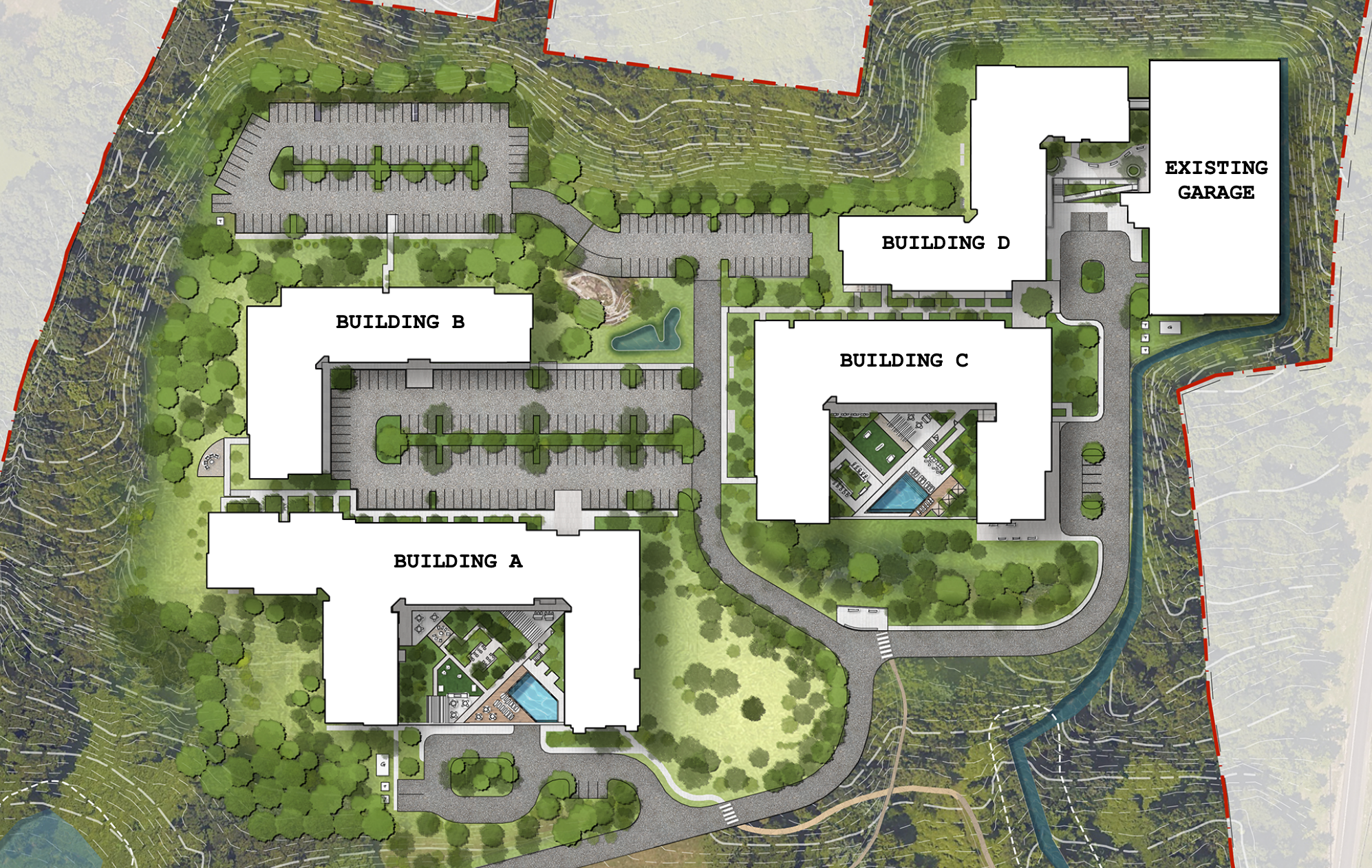
What used to be home to two office buildings will now include 57 apartment units, of which six will be affordable.
The site previously featured two buildings, built in 1964 and 1985.
“For many years, this was a very successful venture; however, market demand for suburban office space has dramatically decreased in the 21st century and remains uncertain at best in the wake of the COVID-19 pandemic,” the application for the site read.
It was a long journey to get to these plans, however. The Planning and Zoning Commission had approved the original plans for 60 units, but six residents filed an appeal against the decision, stating that the plans would devalue their properties and damage the nature preserve next to the site.
As a part of the settlement, the number of units was reduced slightly and the height of the buildings would be reduced. In addition, more landscaping was added to provide a buffer between the property and its neighbors.
What does this mean for me?
As residents of southwest Connecticut, we could see more of these conversions as commercial uses change and businesses move away from suburban office parks.
Some of the questions we’re going to continue to report on include: what does it mean for a city to replace places of employment with places that people live? How does that impact the taxbase, the infrastructure, and the community as a whole?